
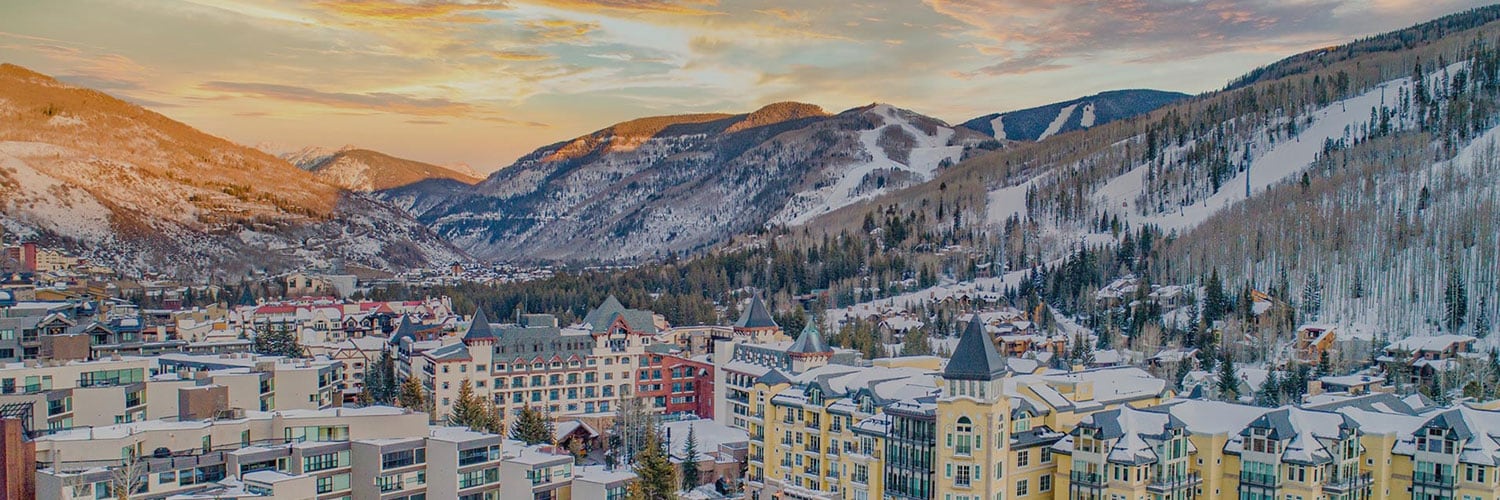
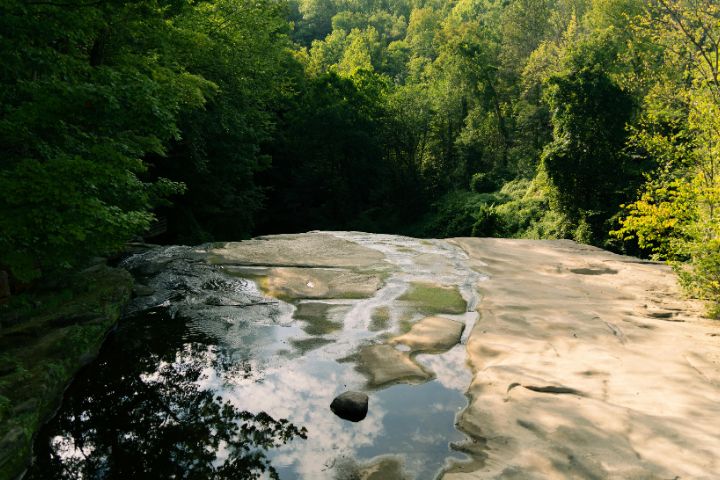
If you’re planning a hiking trip to Vail, Colorado, chasing waterfalls is one of the most magical ways to connect with the alpine landscape. From roaring cascades tucked in wilderness canyons to gentler streams in town, Vail’s surrounding mountains offer a variety of waterfall hikes to suit different skill levels.
-
The high alpine environment means snowmelt-fed creeks and cascades are often at their peak flow in late spring through early summer.
-
The contrast of rushing water against rugged peaks and aspen groves makes these hikes particularly scenic and photogenic.
-
Waterfall hikes tend to draw crowds — but there are a few lesser-known options or timing strategies to find more solitude.
-
Because of altitude, terrain, and weather, you’ll want to plan carefully and pack for changing conditions.
Here are several standout waterfall hikes around Vail, from easier to more strenuous. Always check current trail conditions and maps before heading out.
| Trail | Distance / Elevation | Difficulty | Highlights & Notes |
|---|---|---|---|
| East Vail Falls Trail | ~0.9 mi out-and-back | Challenging / steep | A short but steep hike that includes rope-assisted sections. Not recommended for beginners. |
| Upper Piney River Falls / Piney Lake | ~5.9 mi round-trip (to falls) | Moderate to moderate-difficult | You’ll pass through serene creek crossings and enter the Eagles Nest Wilderness. The waterfall appears around 3 miles in. |
| Booth Creek Falls / Booth Lake Trail | ~8–10 mi out-and-back | Difficult / strenuous | Probably Vail’s most dramatic cascade (approx. 60 ft) set in a gorgeous alpine valley. Highly popular, so parking and congestion are concerns. |
| Pitkin Creek / Pitkin Lake Trail | ~9.5 mi round-trip | Moderate to challenging | Along the way you’ll find two sets of waterfalls (Pitkin Falls) before reaching Pitkin Lake. |
| Bighorn Trail (East Vail) | ~7 mi round-trip | Challenging | Passes beaver ponds, crosses Bighorn Creek, and gives a view of the seasonal Bighorn Falls. |
| Village Streamwalk & Betty Ford Alpine Gardens | ~1–1.3 mi round-trip | Easy / family-friendly | A gentle stroll along Gore Creek through Vail Village, with small cascades and creek views — good for light hiking or with kids. |
-
Best time: Late spring through early summer (June through early July) is often when snowmelt is highest, making waterfalls most spectacular. As summer progresses, flows can diminish.
-
Weather awareness: Afternoon thunderstorms are common in the Rockies in summer. Try to hike early in the day to avoid afternoon storms.
-
Trail conditions: Some trails may be muddy, icy, or have snow patches early in the season. Parts of East Vail Falls get especially slippery after rain.
-
Parking & access: Popular trailheads (Booth, Pitkin) may require shuttles or advanced parking planning, as spaces are limited.
-
Crowds: The more famous routes (Booth, Pitkin) tend to draw heavy foot traffic. Starting early or hiking midweek can help you avoid crowds.
Here’s a checklist of gear and tips to help ensure your waterfall hike is safe, comfortable, and rewarding:
-
Footwear with good traction
Waterproof or water-resistant hiking shoes or boots with sticky rubber soles are crucial. Wet rocks, mud, and stream crossings demand reliable grip. -
Layers & weather gear
-
Moisture-wicking base layers
-
Warm mid-layer (fleece or light down)
-
Waterproof rain jacket or shell
-
Hat, gloves, and extra socks (in case you get wet or conditions change)
-
-
Backpack & hydration
Bring enough water (at least 1–2 liters, more for longer hikes), plus a filter, purification tablets, or pump if you plan to source water from creeks responsibly (treat it). -
Navigation & safety
-
Map (print or digital) and compass or GPS
-
Trail app (AllTrails, Gaia GPS)
-
First aid kit, blister care
-
Headlamp or flashlight
-
Trekking poles (helpful on steep or slippery terrain)
-
Whistle, multitool, emergency blanket
-
-
Sun protection
Sunglasses, sunscreen (SPF 30+), lip balm, and a sun hat. UV is strong at altitude. -
Snacks & nutrition
Energy bars, nuts, dried fruit, or sandwiches to fuel your hike. -
Camera / smartphone + waterproof cover
Waterfalls are naturally photogenic — bring something to document the experience, but protect your gear from spray. -
Dry bags / plastic pouches
To keep electronics, extra clothes, and snacks dry in wet conditions or during stream crossings. -
Optional extras
-
Lightweight towel
-
Swimwear (only in safe, legal areas)
-
Rope or cord (if doing scrambles)
-
Bug repellent (later season)
-
-
Stay on established trails — off-trail erosion is damaging, especially near water.
-
Yield to uphill hikers.
-
Pack out all trash — leave no trace.
-
Be cautious near edges and loose rocks, especially near waterfalls.
-
Don’t climb or scramble in wet, slippery conditions unless experienced and equipped.
-
Check for wildlife and maintain respectful distance.
-
Tell someone your plan (which trail, turnaround time) before heading out.
Waterfall hikes in Vail, Colorado offer a perfect blend of alpine magic and nature immersion. Whether you’re after a short, dramatic ascent to a cascading fall or seeking a longer wilderness trek through creeks and high meadows, there’s an option for you. Use the trails above as a guide, but always check local conditions before heading out. With the right gear, timing, and care, your Vail waterfall hike can become one of your favorite mountain memories.
If you are looking for the perfect Vail accommodation for your waterfall exploration adventure, please reach out to us!